
Deer Worm in Small Ruminants
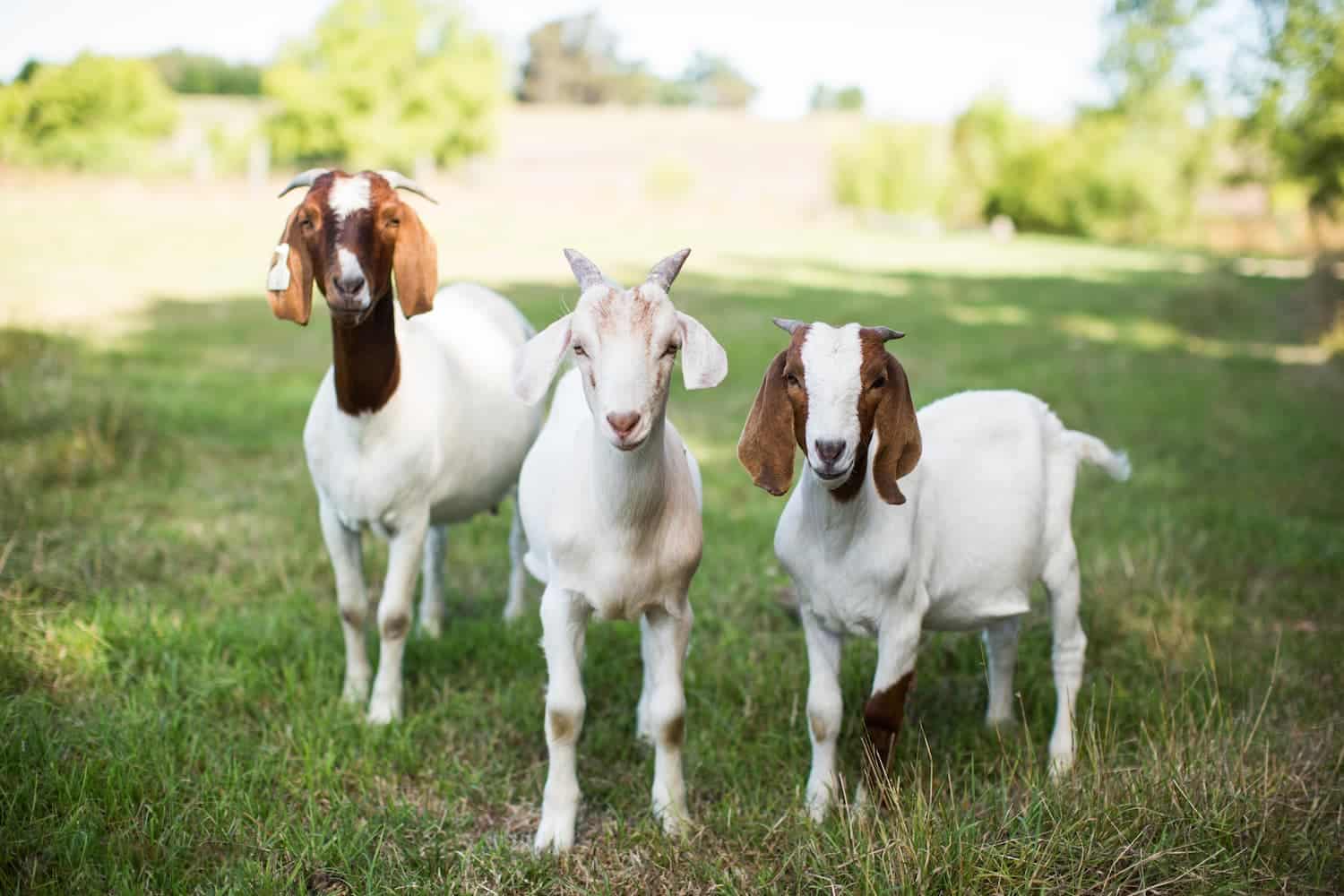
There are a number of possible causes of sudden neurologic disease in small ruminants. One of them, the deer worm, has been on the rise in the eastern United States in recent years. Deer worm, also known as brain worm, meningeal worm, or P. tenuis is commonly seen in our area and local small ruminant owners should be familiar with its effects. Lifecycle The true host for the deer worm is the whitetail deer.
The larvae of the parasite initially develop within a slug or snail. The deer then eats the slug or snail, which allows the parasite to complete its development inside the deer’s body, typically without causing any problems for the deer. However when a sheep or goat eats the infected slug, the parasitic larvae migrate to the animal’s central nervous system where they often cause severe neurologic damage. Clinical Signs Symptoms observed in the sheep or goat will depend upon the number and location of the migrating larvae. Common signs include lameness, weakness, incoordination, seizures, and sometimes death. It is common for the hind limbs to be affected first.
The course of disease is variable and can range from sudden death to a gradual worsening over several years. Diagnosis The clinical signs caused by deer worm overlap with a number of other common small ruminant diseases including polio, listeriosis, and spinal trauma. Rabies and scrapie are not commonly seen, but they should also always be considered when examining neurologic sheep and goats. A spinal tap can aid in the diagnosis of deer worm, but results are sometimes equivocal. Most commonly, a diagnosis is made based on history, exclusion of other possibilities, and response to treatment. Treatment and Prognosis A successful outcome is most likely when treatment is instituted promptly.
Treatment includes high doses of deworming medications (most commonly fenbendazole) along with an anti-inflammatory for about 5 days. Adjunct medications such as B Complex, Vitamin E, and selenium may also be helpful in some cases. Physical therapy is an important part of treatment for animals that are unable to stand. The prognosis is good for animals that are able to rise unassisted, however recurrence is possible. Prevention Prevention is primarily aimed at limiting exposure to whitetail deer, slugs, and snails. Low-lying wet pasture should be fenced off and any wet hay should be discarded. Deer may be fenced out to limit contamination. Because llamas and alpacas are more sensitive to the effects of deer worm, they may benefit from regular preventative dose of ivermectin.